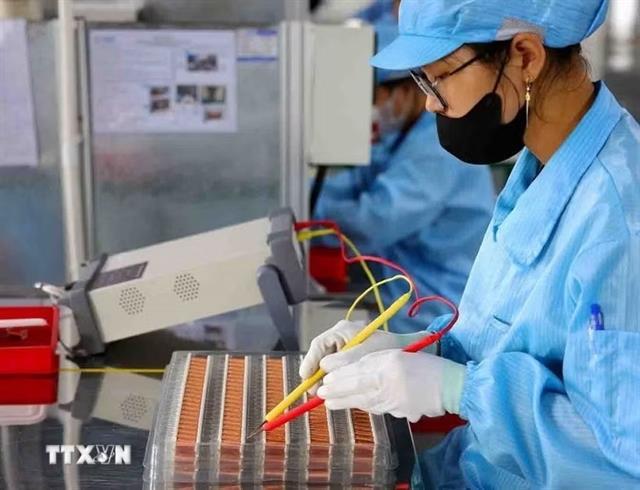





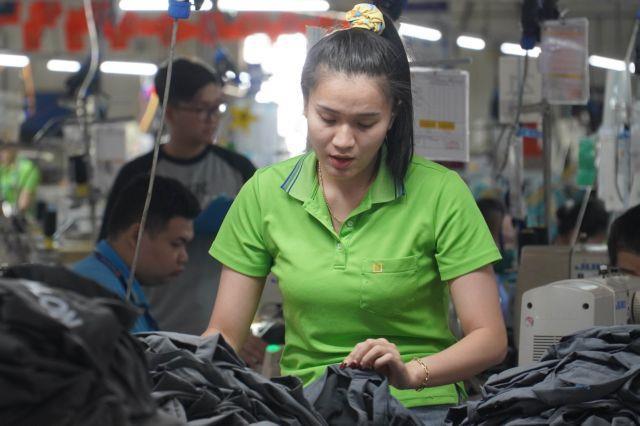
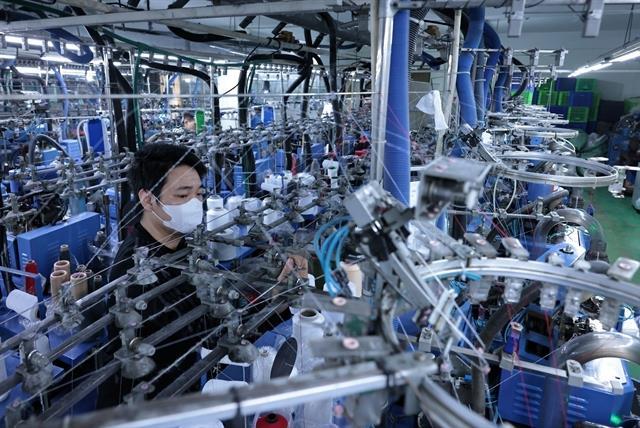

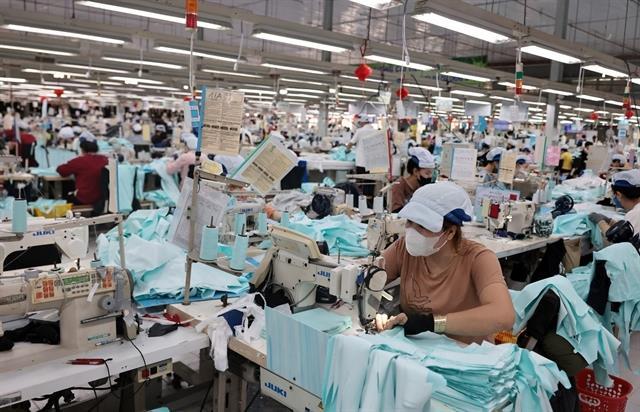


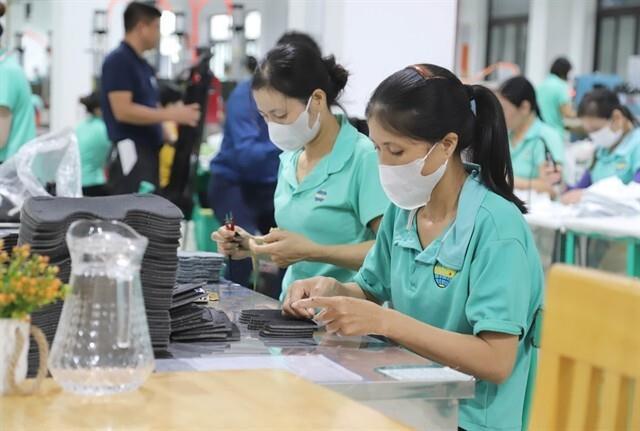

Economic experts said the sharp increase in FDI in the electronics sector is creating significant opportunities for Việt Nam, while also intensifying competition for labour.
In the late 1970s and early 1980s, the Ministry of National Defence’s Z181 Factory produced Việt Nam’s first semiconductor components, diodes and transistors for domestic use and export to Eastern Europe. The industry has advanced remarkably since.
The combination of traditional tools and modern technologies is enabling many Vietnamese enterprises to make significant breakthroughs, helping build a modern productivity and quality ecosystem and driving a new growth model.
Việt Nam’s semiconductor industry offers the country an opportunity to shift from a growth model heavily reliant on low-cost labour and manufacturing toward more technology-intensive, higher value-added sectors, according to Nikkei Asia.
Manufacturers are accelerating investment in automation and digitalisation, but acknowledge that technology cannot yet fully replace human labour in many production stages.
The warning came after the Office of the United States Trade Representative (USTR) on June 2 released findings from investigations into 60 economies over their enforcement of bans on imports made with forced labour.
Intel is relocating part of its semiconductor production lines from Costa Rica to its facility in HCM City-based Saigon High-Tech Park, signalling a deeper commitment to Việt Nam as a primary strategic pillar in its global manufacturing network.
Vietnamese companies have also gradually joined the global value chain by improving their capabilities in chip design, production and related services. Notably, a semiconductor chip manufacturing plant project developed by the Viettel Military Industry and Telecoms Group (Viettel) has already...
This honour pays tribute to a new generation of Vietnamese entrepreneurs: those who embody global integration, technological thinking, a spirit of service and a strong aspiration to elevate the nation’s standing in an era of national rise.
Since the Labour Code took effect in 2019, electronic labour contracts have been proved to provide convenience for both employers and employees, help save time, costs and paperwork, offer flexibility and improve corporate governance.